

By using our website, you agree to the use of cookies as described in our Cookie Policy
What a Day Looks Like at Adult Medical Day Care in Baltimore
Most families see adult medical day care as somewhere their loved ones go for a few hours. But it's more than that. These centers operate like clockwork — meals, medical checks, therapies, and socialization all layered into a routine that keeps seniors engaged and families sane. If you've never stepped inside one, you probably don't know how much happens between drop-off and pick-up. And if you're considering it for someone you care about, you need to understand what's really going on.
Baltimore's centers aren't just babysitting operations. They're structured environments where clinical oversight meets community, and every hour is built around keeping participants independent, healthy, and connected. The difference between a good day and a lost one often comes down to what happens in those six to eight hours.
Transportation Shows Up Before You're Ready
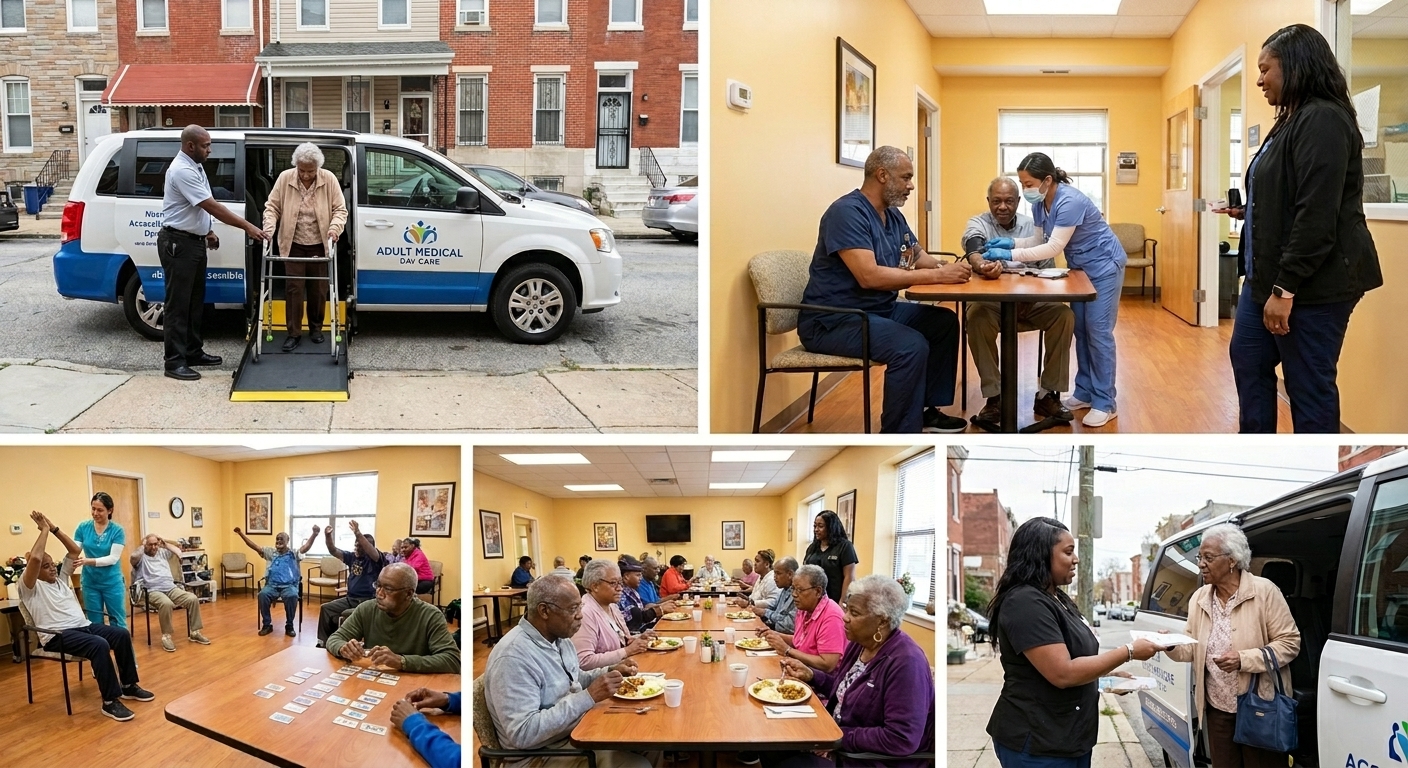
The day starts early. Most centers run their own vans or contract with providers who know the routes, the participants, and the mobility gear. Pick-up times are tight — if you're not ready, the schedule slips. Drivers help with walkers, wheelchairs, and oxygen tanks. They're not just moving bodies; they're managing medical equipment and making sure everyone buckles in safely.
Once participants arrive, staff are waiting at the door. There's a check-in process — names, medications, any overnight incidents the family flagged. This isn't casual. It's documented. And if something seems off — confusion, a new bruise, labored breathing — the nurse gets flagged immediately.
Breakfast Happens, But So Does Assessment
Morning meals aren't just about toast and coffee. Dietitians plan every tray around individual needs — low sodium, diabetic-friendly, pureed for dysphagia. Staff watch how people eat. Are they struggling to swallow? Using utensils correctly? These are clinical data points, not small talk.
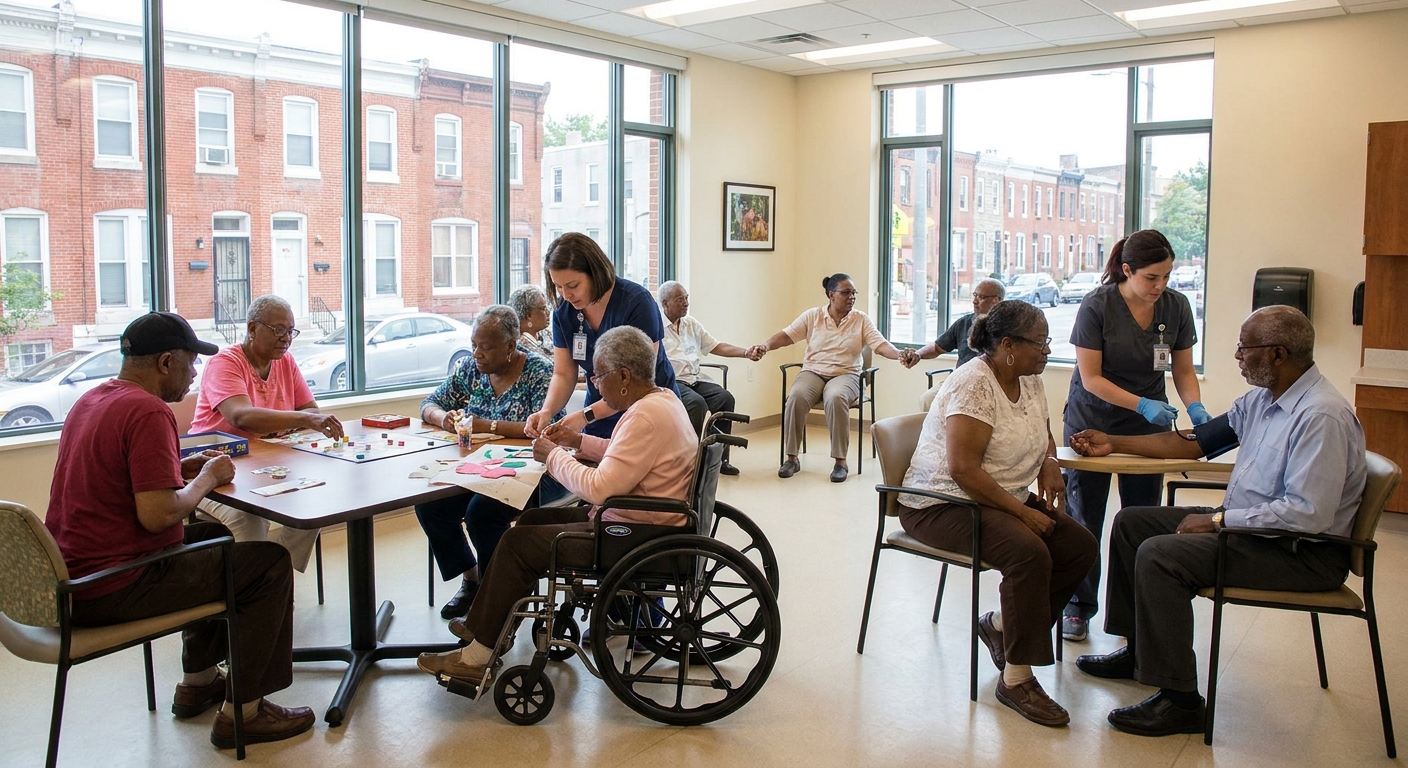
While participants settle in, nursing staff start vitals. Blood pressure, pulse, oxygen levels, blood sugar if needed. Medications get distributed based on what the family submitted in writing. No guessing. No shortcuts. If someone's on a new med or showing symptoms, the doctor gets a call before lunch.
Health Monitoring Isn't Optional
Medical oversight is the backbone of these programs. Licensed nurses are on-site throughout the day, not just during intake. They administer treatments, manage wounds, handle catheter care, and monitor chronic conditions like COPD or congestive heart failure. This isn't a senior center with a first aid kit — it's a clinical environment that happens to feel like a living room.
Personal care also falls under this umbrella. Staff help with toileting, grooming, and mobility as needed. It's done with dignity, but it's also charted. Families get updates if there's a change in function or hygiene that suggests a decline.
Activities Are Planned, Not Filler
Once the medical baseline is established, programming kicks in. Centers design activities around cognitive stimulation, physical movement, and social engagement. These aren't random crafts — they're therapeutic interventions disguised as fun.
- Memory games and trivia to slow cognitive decline
- Chair exercises led by physical therapists
- Art projects that work fine motor skills
- Music therapy, which often reaches participants with dementia when nothing else does
- Group discussions that give people a reason to talk and listen
Staff adjust based on ability. Someone with advanced Alzheimer's might do sensory activities. A stroke survivor works on speech during a storytelling circle. It's individualized, even in a group setting.
Lunch Isn't Just About Food
Midday meals are served hot, balanced, and tailored. But the real value is social. Participants sit together, share conversation, and practice the kind of interaction that isolation strips away. Staff watch for choking risks, food refusal, or confusion — all red flags that get documented.
After lunch, there's downtime. Some people nap. Others read or watch TV. It's not wasted time — it's pacing. Older adults tire easily, and pushing too hard leads to agitation or medical events.
Therapy Sessions Fill the Afternoon
Physical, occupational, and speech therapists rotate through many Baltimore centers. These aren't long sessions, but they're consistent. Repetition matters. A participant recovering from a fall might work on balance. Someone with Parkinson's practices fine motor tasks. Speech therapy helps stroke survivors regain language or swallowing function.
Afternoon activities also include guest speakers, live music, or seasonal events. The goal is variety — keeping the brain active and the day from feeling repetitive.
Departure Is Coordinated, Not Chaotic
Before participants leave, staff prepare them for the ride home. Medications for the evening are handed off in labeled packets. Families get a verbal or written update on the day — what went well, what raised concerns, and any follow-up needed with a doctor.
Transportation runs the same tight schedule in reverse. Participants are buckled in, equipment is secured, and drivers deliver everyone home safely. If a family member isn't there to receive them, staff stay until someone arrives.
Why the Structure Matters
Adult medical day care in Baltimore operates with intention. Every hour is designed to support health, prevent decline, and give families a break without sacrificing care quality. Participants get medical supervision, therapeutic services, and social connection. Families get peace of mind and time to work, rest, or handle their own health.
- Skilled nursing on-site throughout the day
- Individualized care plans reviewed regularly
- Structured activities that serve clinical and social goals
- Nutritious meals planned by dietitians
- Therapy services that prevent hospitalization
What Families Should Know Before Enrolling
Not every center operates the same way. Some focus more on socialization, others on medical management. Tour the facility. Ask about nurse-to-participant ratios. Find out how they handle emergencies and what their communication protocol looks like.
Check whether they accept your insurance or Medicaid waiver. Ask about transportation coverage and whether weekend or evening hours are available. And don't skip the trial day — it's the only way to see if the environment fits your loved one's needs. For more information about admissions, contact the center directly.
- Licensing and accreditation status
- Staff training and turnover rates
- Emergency response procedures
- Participant-to-staff ratio during peak hours
- How they handle behavioral or medical crises
When to Consider This Level of Care
If your loved one is isolated at home, missing medications, or declining faster than expected, adult medical day care might be the bridge. It's not nursing home placement — it's a structured alternative that keeps people in their homes longer while ensuring safety during the day.
Many families resist because they feel guilty. But guilt doesn't prevent falls, missed meds, or loneliness. This is about extending independence, not giving up on it. To better understand services available, review the different program options.
The Daily Routine Drives the Outcome
A day at an adult medical day care center in Baltimore isn't magic. It's structure, repetition, and professional oversight applied consistently. Participants eat better, move more, and stay connected. Families get relief without sacrificing quality. And the outcomes — fewer hospitalizations, slower decline, improved mood — speak for themselves.
If you're weighing options, don't just read brochures. Visit during a weekday morning. Watch how staff interact with participants. Ask the hard questions. Because the day-to-day details are what separate a warehouse from a care program that actually works. You can schedule a tour to see the facility firsthand and explore locations throughout the Baltimore area.
Ready to See the Difference?
We know how important it is to find a place where your loved one feels safe, engaged, and truly cared for. Let’s work together to make every day count. If you have questions or want to experience our center firsthand, give us a call at 410-444-5800 or schedule a tour with us today—we’d love to show you what makes our care unique.
‹ Back