

By using our website, you agree to the use of cookies as described in our Cookie Policy
What Families Should Know About Adult Medical Day Care in Baltimore
Most families think adult medical day care is just somewhere to drop off a loved one for a few hours. Somewhere safe, maybe. But the reality runs deeper than that—and if you don't understand what you're actually getting, you're walking into this blind. These centers aren't glorified babysitting. They're structured medical environments with licensed staff, health monitoring, and therapeutic protocols. The difference between a good center and a bad one can mean the gap between stability and decline.
So here's what matters. If you're considering adult medical day care in Baltimore, you need to know what's covered, what's not, and how to separate real care from window dressing. Every program claims compassion. Not all of them deliver competence. And every decision you make should be grounded in what your loved one actually needs—not just what fits your schedule or sounds reassuring on a brochure.
More Than Supervision and Snacks
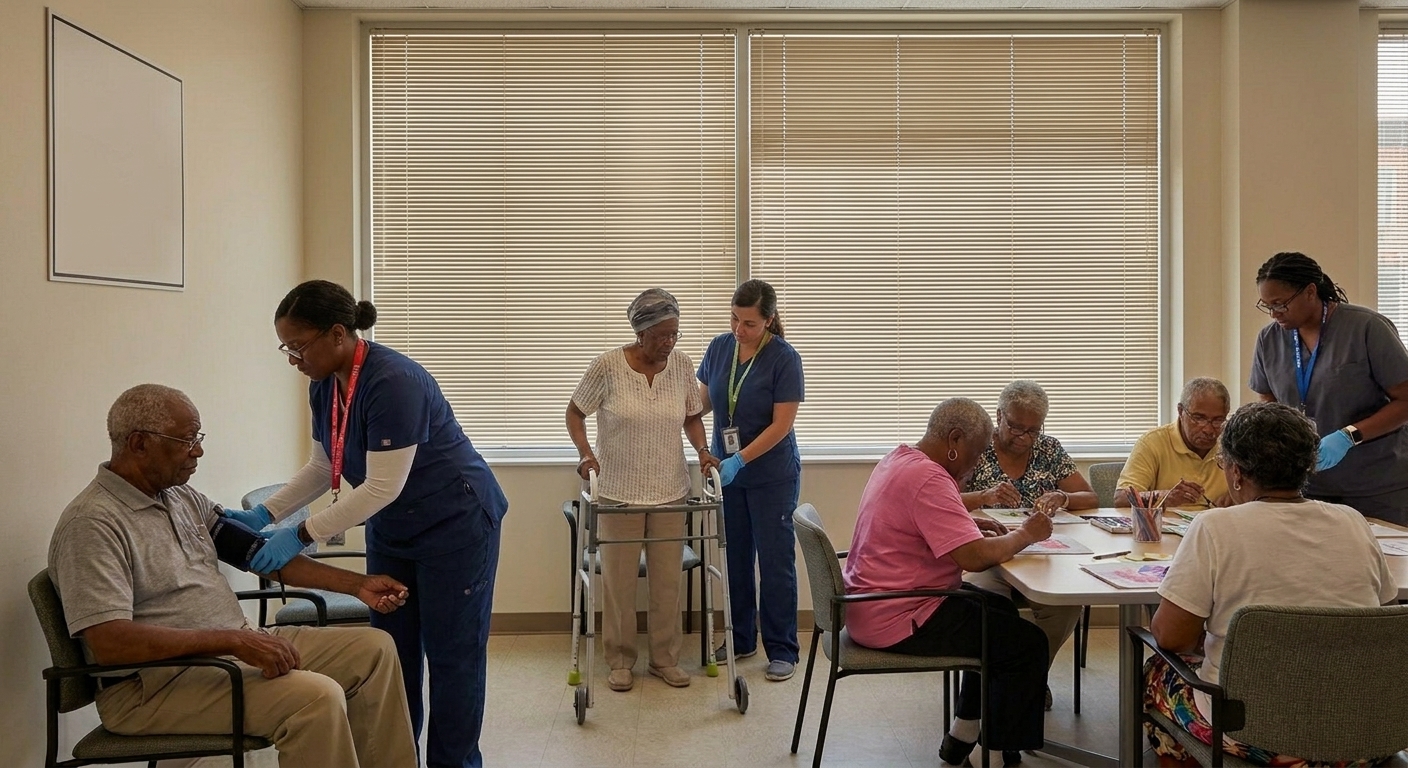
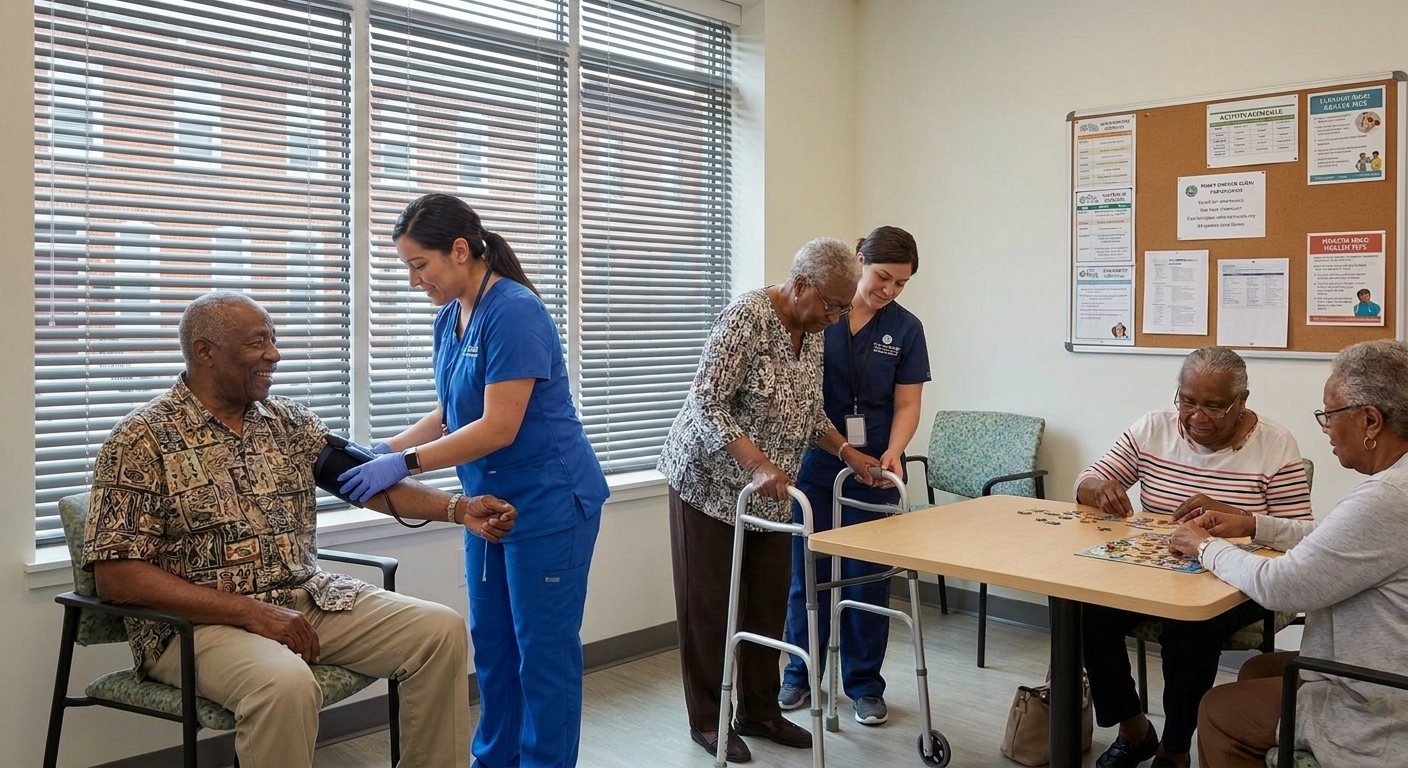
Adult medical day care isn't about keeping someone occupied while you're at work. It's about clinical oversight paired with daily living support. Participants receive medication management, vital sign monitoring, chronic disease tracking, and sometimes rehabilitative therapy—all under the watch of registered nurses and certified aides. That's what separates medical day care from social adult day programs.
In Baltimore, these centers operate during daytime hours and send participants home each evening. The model preserves home life while delivering structured medical attention during the day. It's designed for people who need more than family can provide alone but don't require round-the-clock institutional care. And when it works, it buys families breathing room without sacrificing quality oversight.
Who This Model Actually Serves
Not every adult needs medical day care, but certain conditions make it essential. We're talking about people managing multiple chronic illnesses, those recovering from strokes or surgeries, and individuals whose cognitive decline makes staying home alone dangerous. If your loved one requires regular medication adjustments, wound care, or blood sugar monitoring, this isn't optional—it's necessary.
Baltimore centers also serve adults with mobility limitations, early-stage dementia, or behavioral health challenges that complicate unsupervised time. These aren't people who belong in nursing homes yet. They're people who need clinical backup during the hours when family can't be there. And the right program keeps them functional, social, and medically stable without uprooting their lives.
What Gets Delivered During the Day
The services at adult medical day care centers go well beyond sitting in a chair and watching television. Participants receive coordinated care that includes nursing assessments, therapy sessions, personal hygiene assistance, and nutritious meals tailored to dietary restrictions. Some centers offer physical or occupational therapy onsite. Others coordinate directly with physicians to adjust treatment plans in real time.
Here's what you should expect from a legitimate program:
- Daily health monitoring and medication dispensing by licensed nurses
- Personal care help with bathing, grooming, and toileting
- Therapeutic activities designed to maintain cognitive and physical function
- Hot meals that meet medical dietary needs
- Transportation to and from the center
- Care plan updates shared with family and primary care providers
Why Families Turn to This Option
For caregivers juggling jobs, kids, and aging parents, adult medical day care offers relief that doesn't come with guilt. You're not abandoning anyone. You're plugging them into professional care during hours when you physically can't be there. That distinction matters—emotionally and practically.
Here's what families gain:
- Time to work or manage other responsibilities without constant worry
- Reduced caregiver burnout and stress-related health issues
- Lower costs compared to in-home nursing or assisted living placement
- Social engagement for loved ones who would otherwise be isolated
- Better health outcomes through consistent monitoring and intervention
How to Sort the Good Centers from the Weak Ones
Not all adult medical day care centers operate at the same level. Some are staffed with experienced nurses who know how to manage complex cases. Others cut corners with undertrained aides and generic programming. Families need to do more than read a pamphlet—they need to visit, ask hard questions, and verify credentials.
Here's what to check before committing:
- Current Maryland Department of Health licensing and compliance records
- Staff-to-participant ratios and nurse availability throughout the day
- Range of medical services offered and whether they match your loved one's needs
- Cleanliness, safety protocols, and emergency response procedures
- Whether the center accepts Medicaid, VA benefits, or long-term care insurance
- Family communication practices and how care updates are shared
Paying for Care Without Breaking the Budget
Adult medical day care in Baltimore isn't cheap, but it's typically more affordable than hiring private nurses or moving someone into a facility. Costs vary depending on hours attended and services required. Some centers charge daily rates; others bill by the hour. Medicaid may cover services for eligible participants, and Veterans Affairs benefits sometimes apply.
Before you sign up, confirm what's included in the base fee and what costs extra. Ask about financial assistance programs, sliding scale options, or scholarship funds. Some families piece together coverage from multiple sources—Medicaid for medical services, insurance for therapy, and out-of-pocket for meals and transportation. It's not always simple, but it's manageable when you know what to ask for. For more information about costs and coverage, visit our frequently asked questions page.
Building a Plan That Actually Works
Choosing adult medical day care isn't a one-time decision. It's an ongoing process that requires coordination, communication, and adjustment. Your loved one's needs will shift. Staff will change. Health conditions will evolve. Families who treat this as a static arrangement end up frustrated. Families who stay engaged and advocate for adjustments get better outcomes.
The best centers in Baltimore make space for family input, provide regular updates, and adjust care plans as conditions change. They don't operate in a vacuum. They partner with physicians, therapists, and families to deliver seamless support. That's the standard you should demand—and the standard that separates real care from mediocrity. To explore available locations or learn more about our approach, we encourage you to reach out and schedule a tour to see our facilities firsthand.
Let’s Take the Next Step Together
We know how important it is to find a place where your loved one is truly cared for and supported every day. If you’re ready to see how our team can help your family, let’s connect and talk through your needs. Give us a call at 410-444-5800 or schedule a tour—we’re here to help you make the best choice for your family’s peace of mind.
‹ Back