



By using our website, you agree to the use of cookies as described in our Cookie Policy
What a Typical Day Looks Like at an Adult Medical Day Care Center
Most families think adult day care is just babysitting with a medical twist. It's not. These centers run on structure, supervision, and a level of care that keeps people engaged, healthy, and out of crisis. If you're weighing whether this kind of program makes sense for someone you love, you need to know what actually happens inside — not just what the brochure says.
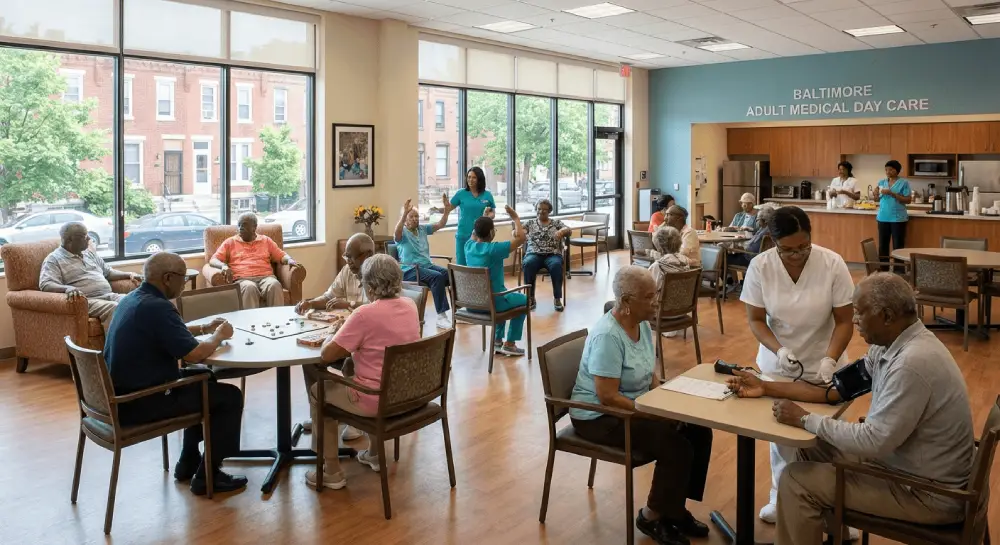
A real day at an adult medical day care center isn't passive. It's planned. Every hour has a purpose. Every interaction is monitored. And every participant gets more than a chair and a snack — they get a routine that keeps them stable, social, and safer than they'd be at home alone.
Drop-Off Starts With a Health Check
The morning begins with transportation or family drop-off, depending on the center's setup. Most programs offer van service with trained drivers who know the participants by name. That's not a small thing when you're dealing with memory issues or mobility limits. The ride itself becomes part of the routine — predictable, calm, and staffed.
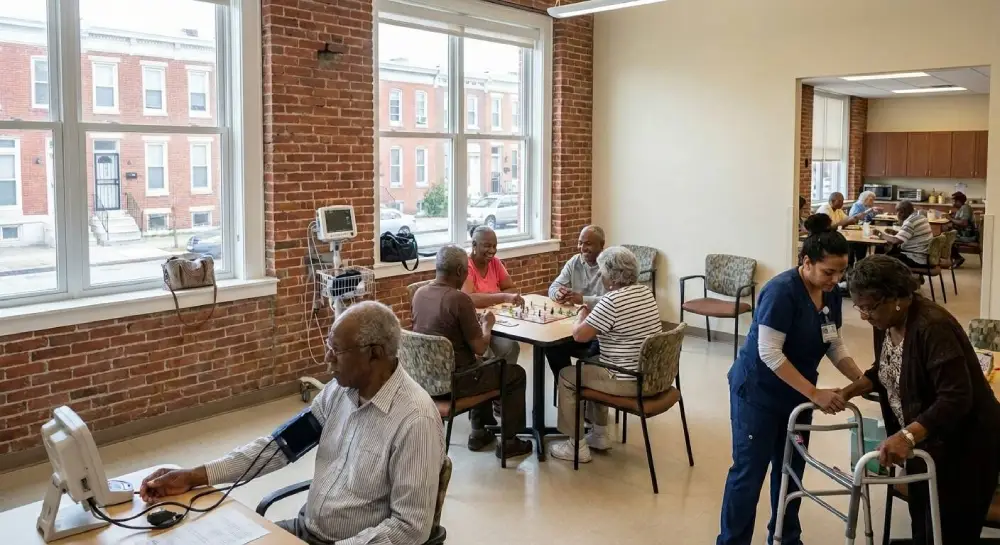
Once participants arrive, they're greeted by clinical staff who run a quick but thorough health assessment. Vitals get checked. Medications get logged. Any overnight changes in condition get flagged before the day even starts. This isn't a formality — it's the first line of defense against complications that could've gone unnoticed at home.
Breakfast Isn't Just Food
After check-in, participants head to the dining area for breakfast. Meals are built around medical needs — low sodium, diabetic-friendly, texture-modified for swallowing issues. But the real value isn't just nutrition. It's the social reset that happens when people sit together, talk, and ease into the day without isolation.
Staff circulate during meals to assist with feeding, monitor intake, and catch early signs of distress or confusion. For someone living alone or with a working caregiver, this kind of oversight can mean the difference between a manageable issue and a hospital visit.
Morning Programming Keeps the Brain Working
Once breakfast wraps, the activity schedule kicks in. These aren't arts and crafts for the sake of killing time. Programs are designed to maintain cognitive function, physical mobility, and emotional stability. What that looks like varies by participant, but the structure stays consistent.
Typical morning activities include:
- Chair-based exercise or stretching led by trained staff
- Memory games and puzzles tailored to ability level
- Music therapy or group singing sessions
- Current events discussions to keep participants oriented
- One-on-one therapy sessions for those with rehab goals
For participants recovering from stroke, surgery, or managing chronic conditions, on-site physical or occupational therapy is often part of the plan. That means fewer trips to outside appointments and more continuity in care.
Lunch Comes With Supervision
Midday meals follow the same medical protocols as breakfast. Dietitians plan menus. Nurses oversee medication administration. Staff watch for choking risks, dehydration, or refusal to eat — all red flags that families might miss until it's too late.
Lunch is also a checkpoint. If someone's acting off, not eating, or showing signs of illness, the medical team intervenes immediately. That's the advantage of having licensed professionals in the room instead of hoping someone at home notices a problem before it spirals.
Afternoon Hours Mix Rest and Engagement
After lunch, most centers build in a rest period. Participants can nap, listen to music, or just decompress in a quiet space. For older adults or those managing fatigue from illness, this downtime isn't optional — it's part of keeping them functional for the rest of the day.
Once rest time ends, afternoon programming resumes. Activities shift to match energy levels and interests, and may include:
- Pet therapy visits with trained animals
- Gardening or light outdoor time when weather allows
- Reminiscence therapy using photos or music from participants' pasts
- Group games or friendly competitions
- Guest speakers or educational sessions
The goal isn't entertainment. It's engagement. Keeping participants mentally active, socially connected, and physically moving reduces decline and keeps them out of emergency rooms.
Medical Oversight Runs All Day
Throughout every activity, meal, and rest period, medical staff are tracking vitals, administering meds, and watching for changes. If someone's blood pressure spikes, if confusion sets in, if a wound looks infected — it gets addressed on the spot. Not hours later when a family member gets home from work.
This level of monitoring is what separates medical day care from standard senior programs. You're not just getting supervision. You're getting clinical intervention when it matters, delivered by people who know what to look for.
Pick-Up Includes a Handoff
At the end of the day, participants are prepared for departure. Staff help with coats, belongings, and any mobility assistance needed. Transportation is coordinated, or families are updated on the day's events before pick-up.
That handoff matters. Families get a real report — what was eaten, how medications were tolerated, any behavioral or health changes. It's documentation you can act on, not guesswork.
Why the Structure Works
Adult medical day care isn't a luxury. It's a strategy. For participants, it's routine, safety, and social connection they can't get at home. For families, it's professional oversight that catches problems early and keeps loved ones stable. If you're considering services for a loved one, understanding the admissions process is an important first step. You can also schedule a tour to see firsthand how the day unfolds and meet the staff who provide care. The day is long, but it's intentional. Every hour is built to support health, not just pass time. And when the alternative is isolation, decline, or caregiver burnout, that structure becomes the thing that holds everything together.
Ready to See the Difference?
We know how important it is to find a place where your loved one is truly cared for and engaged every day. Let’s talk about how our team can support your family and give you peace of mind. Call us at 410-444-5800 or schedule a tour to experience our center in person and see the care in action.
‹ Back