

By using our website, you agree to the use of cookies as described in our Cookie Policy
What Medical Services Are Available at Adult Day Care Centers
Adult day care isn't just babysitting with bingo. It's a structured medical environment designed to keep vulnerable adults safe, healthy, and engaged while their families work or rest. The difference between a good center and a great one often comes down to what's happening behind the scenes — the monitoring, the medication protocols, the staff training, and the speed of response when something goes sideways.
If you're evaluating options for a loved one, you need to know what's actually on the table. Not the glossy brochure version. The real services that matter when health changes fast or chronic conditions demand daily attention. Here's what adult medical daycare centers can — and should — provide.
Daily Vitals Get Tracked, Not Guessed
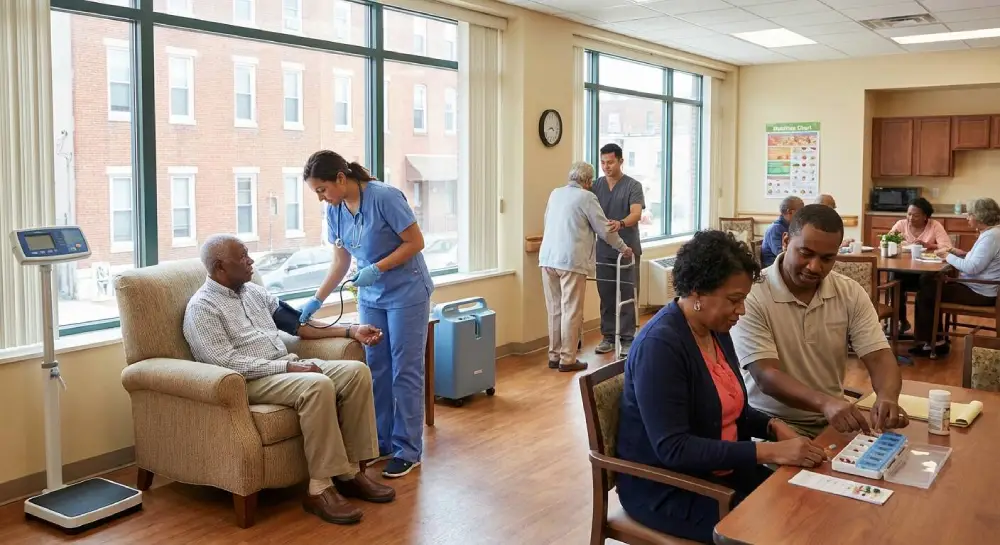
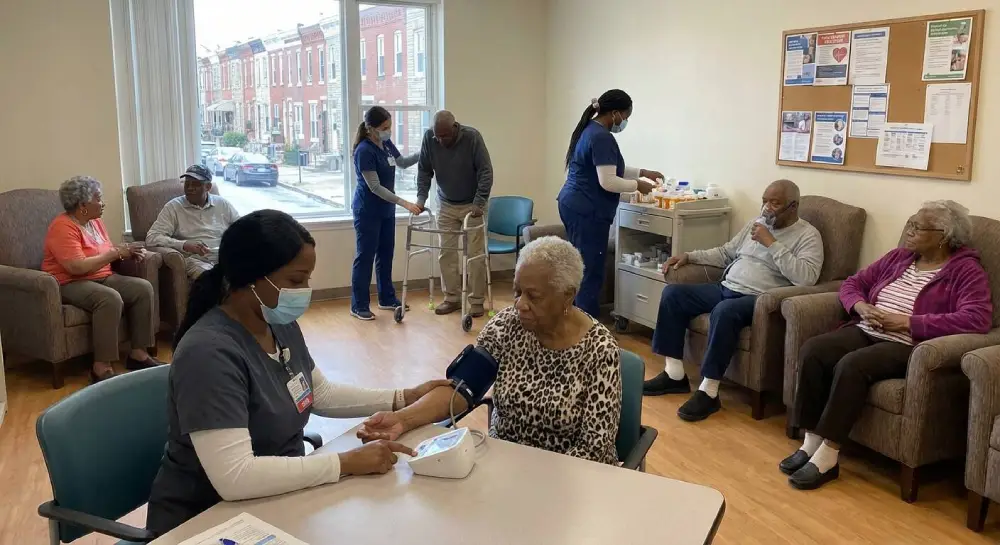
Most reputable centers don't wait for someone to look pale before checking their numbers. Blood pressure, pulse, temperature, oxygen levels — these get logged regularly, often multiple times per day. Trained staff spot trends before they become emergencies. A slight uptick in blood pressure over three days might mean nothing. Or it might mean a medication adjustment is overdue.
This kind of monitoring doesn't replace a doctor, but it does create a safety net. When vitals are documented consistently, patterns emerge. And patterns give healthcare providers the data they need to make smarter decisions faster.
Medication Doesn't Get Missed or Doubled
Forgetting a dose is easy. Taking two by accident is easier. Adult day care centers with licensed nursing staff handle medication administration with the kind of precision most families can't maintain at home. Pills are sorted, timed, and logged. If someone's supposed to take insulin before lunch, it happens before lunch — not whenever someone remembers.
This service alone prevents countless ER visits. Missed heart meds, doubled blood thinners, skipped antibiotics — these mistakes stack up fast. Centers that manage medications properly eliminate that risk entirely, and they do it without making participants feel like they've lost control.
Chronic Conditions Get Managed, Not Just Monitored
Diabetes, COPD, congestive heart failure, arthritis — these don't take days off. Adult day care centers equipped to handle chronic disease management provide more than supervision. They provide active intervention. Blood sugar gets tested and tracked. Breathing treatments get administered on schedule. Swelling gets noted and reported.
Staff trained in chronic care know what to watch for and when to escalate. They're not waiting for a crisis. They're preventing one. And when something does shift — a spike in glucose, labored breathing, sudden confusion — they're already in motion.
Therapy Happens Where People Actually Show Up
Physical therapy, occupational therapy, speech therapy — these services are often available on-site or through partnerships with local providers. That means participants don't have to coordinate separate appointments, arrange transportation, or skip sessions because it's too much hassle.
Therapists work directly with individuals to rebuild strength, improve mobility, and maintain independence. Whether someone's recovering from a stroke or just trying to keep their balance steady, consistent therapy makes a measurable difference. And when it's built into the day, compliance goes way up.
Personal Care Gets Handled With Dignity
Bathing, toileting, grooming, dressing — these aren't medical services in the traditional sense, but they're health-critical. Poor hygiene leads to infections. Skipped showers lead to skin breakdown. Soiled clothing leads to isolation and shame.
Adult day care staff trained in personal care provide assistance without making it feel like a loss of dignity. They're fast, respectful, and matter-of-fact. Participants get the help they need without the emotional weight that often comes with asking a family member for the same support.
Meals Are Planned, Not Just Served
Nutrition isn't an afterthought at quality centers. Meals are designed around dietary restrictions, chronic conditions, and individual preferences. Low-sodium for heart patients. Diabetic-friendly options. Pureed foods for those with swallowing difficulties. Staff monitor intake, flag poor appetite, and adjust portions as needed.
Dehydration and malnutrition are silent killers in older adults. Centers that take food seriously prevent both. And when someone's eating well, everything else — mood, energy, cognition — improves too.
Education Keeps Participants and Families in the Loop
Health literacy matters. Adult day care centers often offer group education sessions on managing medications, recognizing warning signs, preventing falls, and staying active. These aren't lectures. They're practical, hands-on workshops that give participants tools they can actually use.
Families benefit too. Understanding what's normal, what's concerning, and when to call a doctor reduces anxiety and improves outcomes. Knowledge doesn't cure disease, but it does prevent panic and poor decisions.
Care Gets Coordinated, Not Fragmented
Adult day care staff don't operate in a vacuum. They communicate with primary care doctors, specialists, and family members regularly. If a participant's behavior changes, the doctor hears about it. If a new medication causes side effects, the center flags it immediately.
This kind of coordination prevents gaps in care. It ensures everyone's working from the same playbook. And it means families aren't left playing telephone between providers, trying to piece together what's actually happening.
Emergency Response Is Ready, Not Reactive
Adult day care centers aren't hospitals, but staff are trained in CPR, first aid, and emergency protocols. If someone falls, chokes, or shows signs of a stroke, the response is immediate. Staff stabilize, call for help, and document everything.
Speed matters in emergencies. Having trained personnel on-site — people who know the participant's medical history and can communicate it clearly to paramedics — can be the difference between a close call and a tragedy.
Choosing Smart Means Asking Hard Questions
Not all adult day care centers offer the same level of medical support. Some are social programs with minimal health services. Others function almost like outpatient clinics. Before committing, we recommend asking about staffing ratios, nursing credentials, medication protocols, and emergency procedures.
Tour the facility. Meet the staff. Ask how they handle a participant who refuses medication or becomes agitated. The answers will tell you everything you need to know about whether the center can actually deliver on its promises — or if it's just checking boxes. For more information about admissions, locations, or to schedule a tour, reach out today.
Let’s Make the Right Choice Together
We know how important it is to find a place where your loved one feels safe, cared for, and respected every single day. If you’re ready to see firsthand how our team supports health, dignity, and peace of mind, let’s connect. Call us at 410-444-5800 or schedule a tour and discover the difference we can make together.
‹ Back