

By using our website, you agree to the use of cookies as described in our Cookie Policy
What Adult Medical Day Care in Baltimore Looks Like
Most families think adult medical day care is just somewhere to drop off a loved one during the workday. A holding pattern. But the reality? These centers in Baltimore deliver something far more vital — and if you're not seeing that, you're missing what makes them worth it. They don't just babysit. They supervise health needs, build social connections, and give caregivers breathing room. All while keeping participants engaged, safe, and healthier than they'd be sitting home alone.
So here's what matters. If you're exploring care options for someone who needs medical oversight but doesn't require round-the-clock nursing, this is the space to understand. Just don't assume all programs are created equal. Every center has its own approach. Every schedule looks different. And every family's decision should be grounded in what the participant actually needs — not just what looks convenient on paper.
Trained Staff Who Know What They're Doing
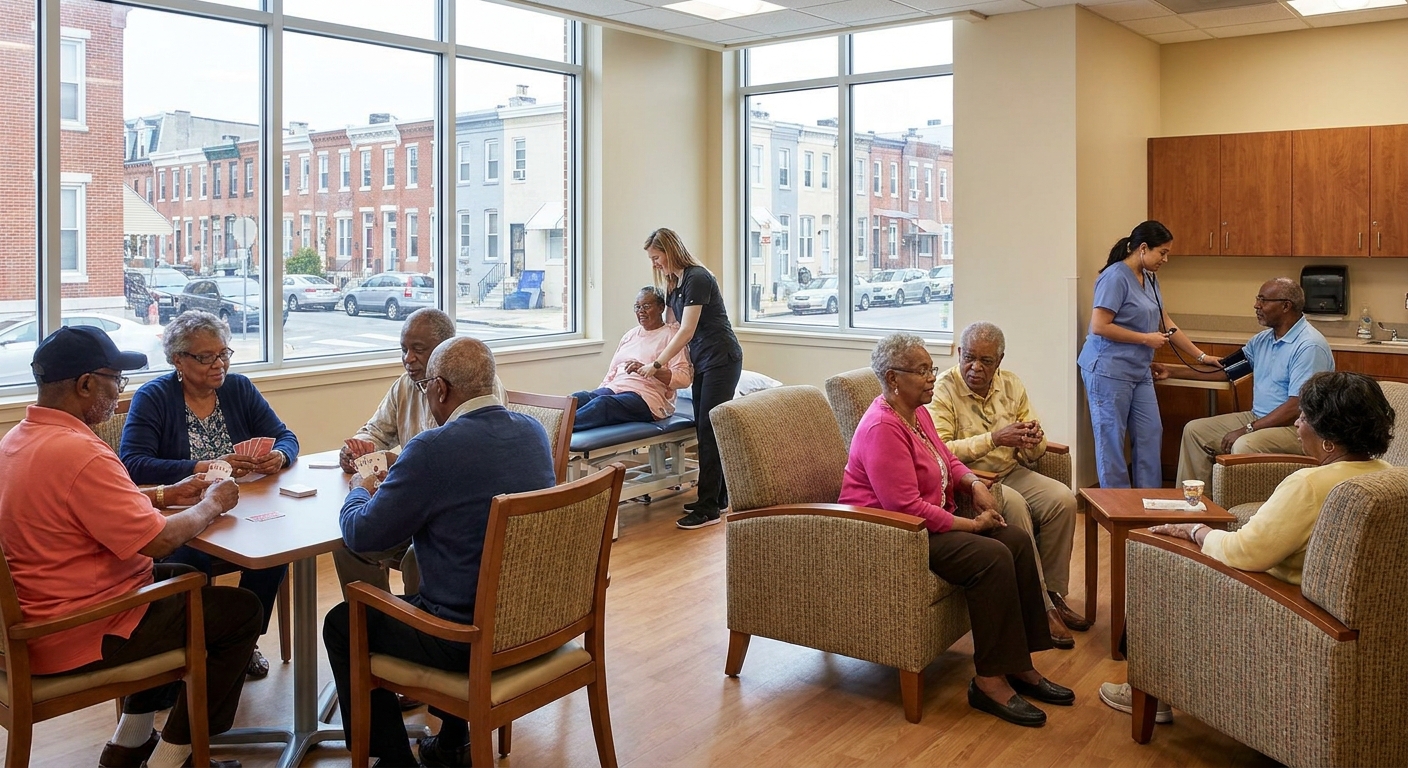
Baltimore's adult medical day care centers aren't staffed by volunteers with good intentions. They're built around licensed nurses, certified nursing assistants, and health aides who manage real medical needs. We're talking medication administration, blood pressure monitoring, wound dressing, insulin checks, and mobility assistance. This isn't cosmetic supervision — it's clinical care delivered in a community setting.
And the coordination doesn't stop at the center door. Many programs stay in touch with participants' doctors, flagging concerns early and adjusting care plans when health changes. That feedback loop matters, especially for older adults managing multiple conditions or recovering from surgery. You're not handing someone off into a void. You're plugging them into a system that watches, documents, and responds.
More Than Bingo and TV Time
Walk into most Baltimore day centers and you'll find a packed calendar. Music therapy sessions. Gentle yoga. Art projects. Memory games. Guest speakers. Seasonal outings. The goal isn't just to fill hours — it's to stimulate minds and keep people connected to the world around them.
For participants dealing with dementia or cognitive decline, activities are adapted to meet them where they are. Staff trained in memory care know how to create structure without frustration. And for everyone else, the social atmosphere fights isolation head-on. Friendships form. Regulars look forward to seeing each other. It's community, not a waiting room.
What's on the Plate
Nutrition gets real attention here. Participants receive hot meals and snacks prepared on-site or delivered from vetted kitchens. Menus accommodate dietary restrictions — low sodium, diabetic-friendly, pureed textures, whatever the individual requires. Dietitians often weigh in to make sure the food supports health goals, not just hunger.
Mealtimes also double as social events. Shared tables. Conversations. A rhythm to the day that mirrors home life but removes the burden of meal prep from exhausted caregivers.
Built for Safety and Access
Baltimore centers understand their audience. That means wheelchair ramps, grab bars, non-slip floors, and wide hallways. Common spaces are arranged so participants can move freely without hazards. Restrooms are accessible. Lighting is intentional. Emergency exits are clearly marked and monitored.
Security is baked in too. Controlled entry points. Staff trained in crisis de-escalation and first aid. Protocols for wandering or medical emergencies. It's not a hospital, but it's not casual either. The environment is designed to keep vulnerable adults adults protected without making them feel locked down.
Transportation That Actually Shows Up
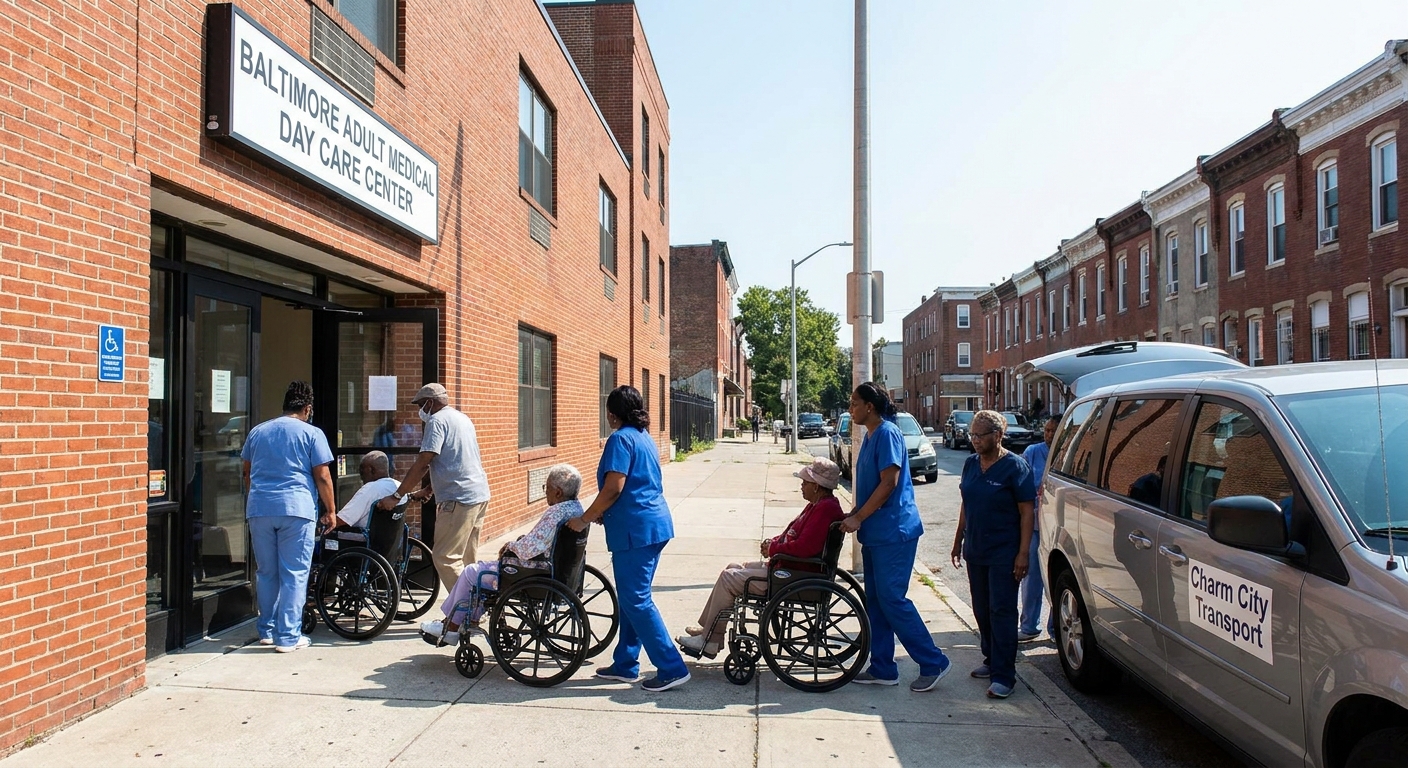
Getting to and from the center shouldn't be a daily puzzle. That's why many Baltimore programs offer door-to-door van service with trained drivers and wheelchair-accessible vehicles. No begging neighbors for rides. No scrambling with ride-share apps that don't accommodate walkers or oxygen tanks.
This service alone removes a major barrier for families who work full-time or live across town. Pickup and drop-off times are consistent. Routes are planned. And participants are supervised from the moment they leave home until they return.
The People Who Use These Centers
Who benefits most from adult medical day care in Baltimore? It's a broader group than you might think.
- Seniors with chronic illnesses who need regular monitoring but not 24-hour nursing
- Adults with disabilities who thrive with structure and socialization
- Individuals recovering from stroke, surgery, or hospitalization
- People with early- to mid-stage dementia who need a safe, stimulating environment
- Family caregivers who work during the day and need reliable, professional care coverage
Support That Extends to Families
Day care centers don't just serve participants. They support the entire caregiving unit. Staff provide updates on health and behavior. They connect families with local resources — home health, legal aid, support groups. Some centers even host caregiver workshops on topics like managing medication, preventing falls, or navigating Medicare.
This kind of wraparound support matters. Caregiving is exhausting. Having a team that communicates clearly and understands the bigger picture makes a real difference in how families cope long-term.
What Separates One Center from Another
Not all programs operate the same way. Some are nonprofit. Some are part of larger health systems. Others are privately run. The quality, staffing ratios, and services vary — and so do the costs.
- Hours of operation — some centers run part-day, others offer full eight-hour programs
- Staff-to-participant ratios — lower ratios mean more individualized attention
- Specialty programming for dementia, stroke recovery, or disabilities
- On-site medical staff credentials — RNs vs. LPNs vs. CNAs
- Licensing and accreditation status
Costs and Coverage Options
Adult medical day care isn't always cheap, but it's often more affordable than in-home nursing or assisted living. In Baltimore, daily rates typically range based on the level of care required and the center's amenities.
Payment options include private pay, long-term care insurance, veterans' benefits, and Medicaid waiver programs. Medicare generally doesn't cover adult day care, but some supplemental plans or state programs might. Families should ask upfront about billing, sliding scales, and financial assistance.
Red Flags to Watch For
When evaluating a center, trust your gut — but also look for specifics. Touring the facility and asking tough questions will reveal a lot.
- Staff turnover rates — high churn signals instability
- Cleanliness and odor control — this reflects daily operations
- Participant engagement during your visit — are people alert and active, or zoned out?
- Communication style — are staff dismissive or welcoming?
- Emergency procedures — ask what happens if someone falls or has a medical crisis
Questions to Ask Before Enrolling
Before committing, get clarity on the practical details that will shape the day-to-day experience.
- What medical services are provided on-site vs. referred out?
- How do you handle behavioral issues or medical emergencies?
- What's the process for updating families on a participant's condition?
- Can you accommodate special diets or mobility equipment?
- What's your policy on absences, holidays, and weather closures?
Finding the Right Fit in Baltimore
Baltimore has a range of adult medical day care centers, from faith-based nonprofits to hospital-affiliated programs. Start by contacting the Baltimore City Department of Aging or the Maryland Department of Health for licensed provider lists. Visit multiple centers. Compare services, costs, and vibes. And involve the participant in the decision whenever possible — their comfort and willingness matter.
Don't wait until a crisis forces your hand. Planning ahead gives you time to vet options, ask questions, and make a choice that fits your family's needs without the pressure of an emergency. If you're unsure where to begin, you can schedule a tour to see what different programs offer in person. Many families also find it helpful to review the admissions process early on to understand what documentation and preparation may be required.
Medical Day Care Keeps People Home Longer
Choosing the right adult medical day care center isn't just about filling time. It's about extending independence, improving health outcomes, and giving caregivers the support they need to keep going. Baltimore's centers offer real care, real community, and real relief — but only if you know what to look for and how to evaluate what's in front of you. Do the homework. Ask the hard questions. And don't settle for a program that doesn't meet the standard your loved one deserves.
Ready to Take the Next Step?
We know how important it is to find a place where your loved one feels safe, engaged, and truly cared for. Let’s work together to make sure your family gets the support and peace of mind you deserve. If you have questions or want to see our center in action, give us a call at 410-298-9800 or schedule a tour—we’re here to help you make the best choice for your family’s future.
‹ Back