

By using our website, you agree to the use of cookies as described in our Cookie Policy
What Kind of Medical Care Do Adult Day Care Centers Provide?
Most families assume adult day care is just babysitting with bingo. Wrong. The medical care side of these centers is built for something real — keeping people safe, supervised, and stable while their caregivers work or recharge. If your loved one has prescriptions to track, vitals to monitor, or conditions that need daily attention, then the right center can be the difference between independence and a crisis.
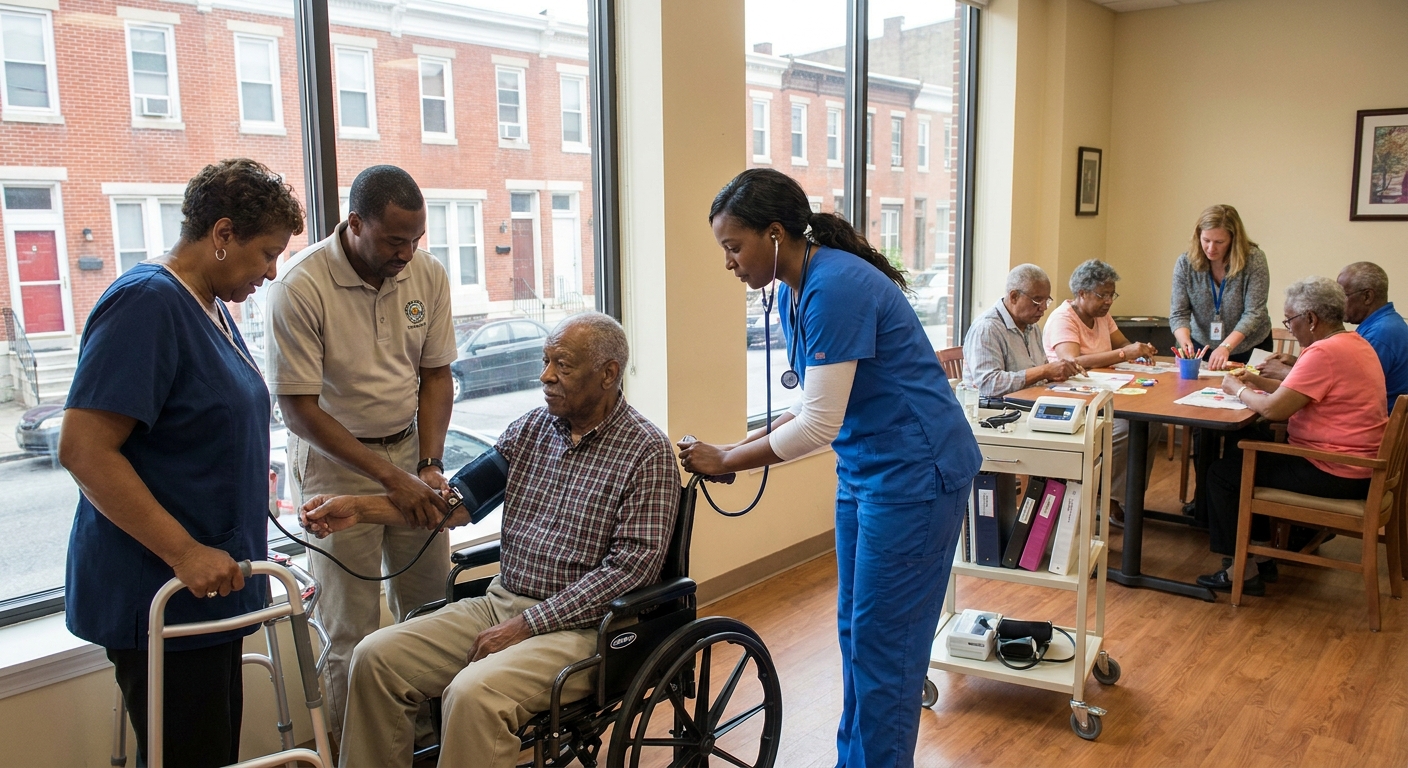
But not all centers are created equal. Some offer little more than lunch and supervision. Others run like mini clinics — with nurses on staff, therapy programs, and chronic disease management baked into the day. Knowing what's on the table means knowing what to ask for before you sign anything.
What You're Actually Paying For
Adult day care centers exist to fill a gap. They're not nursing homes, and they're not hospitals. They're structured environments where adults who need help — but not around-the-clock care — can spend their days safely. These programs run during business hours, which means caregivers can work, run errands, or just breathe without worrying.
The best centers blend social engagement with real medical oversight. Meals, activities, and companionship matter. But so does having someone who knows what to do if blood sugar drops or confusion sets in. That's the difference between a program that works and one that just fills time.
Two Tracks, Two Levels of Care
There are social centers, and there are medical centers. Social programs focus on interaction and recreation — card games, crafts, group outings. Medical programs, sometimes called adult day health care, add clinical services on top of that. Nurses. Therapists. Care plans. Monitoring.
If your family member has diabetes, heart disease, mobility issues, or dementia, you're not looking for the social track. You need the medical one. And you need to ask upfront what that actually includes, because "medical" can mean anything from checking blood pressure once a week to full-on therapy sessions and medication management.
The Core Medical Services
Medical adult day care centers typically offer a range of health-related services designed to keep participants stable and supported. Here's what you should expect to see:
- Medication oversight: Staff remind, administer, and track medications. Registered nurses handle the process to avoid missed doses or dangerous interactions.
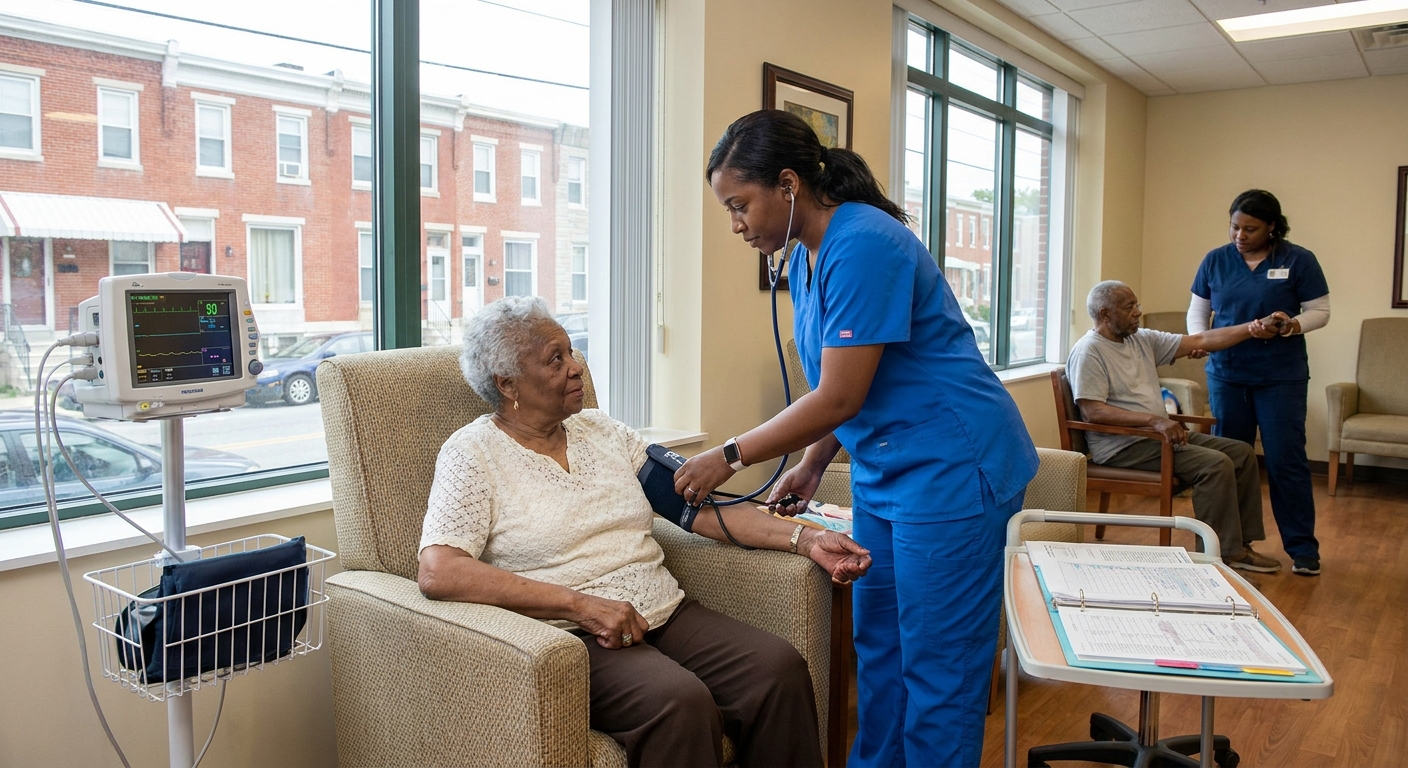
- Vital sign monitoring: Blood pressure, heart rate, glucose levels, and weight checks happen regularly. Early detection means fewer ER trips.
- Chronic condition management: Diabetes, hypertension, arthritis — whatever the diagnosis, staff help manage it through education, monitoring, and coordination with doctors.
- Rehabilitation therapies: Physical, occupational, and speech therapy services help participants maintain mobility, strength, and communication skills.
- Personal care help: Assistance with bathing, grooming, toileting, and eating. Not strictly clinical, but essential for dignity and safety.
When Medical Needs Go Beyond the Basics
Some participants need more than pill reminders and blood pressure cuffs. Wound care, catheter management, injections — these are specialized tasks that require trained nursing staff. Not every center can handle them, so if your loved one has complex medical needs, you'll need to verify the center's you'll need to verify the center's capabilities before enrollment.
Coordination with outside providers is another critical piece. The best centers don't operate in a vacuum. They communicate with primary care doctors, specialists, and hospitals. They follow care plans. They flag changes. And they make sure everyone's on the same page when something shifts.
Who's Delivering the Care
The staff roster matters. Medical adult day care centers employ registered nurses, licensed practical nurses, certified nursing assistants, therapists, and social workers. The presence of credentialed professionals isn't just a nice-to-have — it's what makes the "medical" label legitimate.
Ask who's on-site daily. Ask about staff-to-participant ratios. Ask what happens if someone needs urgent attention. If the answers are vague or evasive, keep looking.
What Families Gain
The payoff isn't just for participants. Caregivers get relief without guilt. They know their loved one is in a safe environment with trained eyes watching for trouble. Regular monitoring and early intervention mean fewer hospital stays and better long-term outcomes.
Participants benefit too. They stay connected to their communities. They maintain routines and relationships. And they get medical support that keeps small problems from becoming big ones. Independence doesn't disappear — it just gets a safety net.
What to Demand From Any Program
Don't assume every center offers the same level of care. You need to dig in and confirm what's included:
- On-site nursing staff during operating hours
- Medication administration and tracking systems
- Routine health monitoring protocols
- Access to therapy services if needed
- Clear communication with family and healthcare providers
When Centers Fall Short
Some facilities overstate their capabilities. They advertise "medical care" but deliver little more than basic first aid. Others have nurses on paper but not on the floor. And some mix participants with vastly different needs, which dilutes the quality of care everyone receives.
Red flags include vague answers about staffing, no clear care plan process, and reluctance to share credentials or licensing details. If something feels off during your visit, trust that instinct and move on. Before making any decisions, we encourage families to explore common questions through our frequently asked questions and understand the full range of services available at quality centers.
Making the Right Call
Adult day care centers with strong medical programs do more than keep people occupied. They deliver real health support in a community setting, allowing participants to stay engaged and independent while getting the care they need. For families, that means fewer emergencies, better health outcomes, and the freedom to balance caregiving with the rest of life. But only if you choose a center that backs up its promises with trained staff, clear protocols, and a commitment to keeping people safe. To learn more about us and our approach to care, or to explore our locations, we invite you to contact us or schedule a tour today.
Let’s Take the Next Step Together
Choosing the right adult day care is about peace of mind—for you and your loved one. We’re here to answer your questions, walk you through our medical services, and show you what makes our center different. Give us a call at 410-298-9800 to talk with our team, or schedule a tour and see firsthand how we put care and community at the heart of everything we do.
‹ Back